By Tristan Szabo
No Longer a Me in Team
Leaving the sport you love has a life-changing impact. According to the National Collegiate Athletic Association, approximately 350,000 NCAA athletes graduate each year and transition into careers outside of professional sports. Loss of identity, transitioning to civilian life, and finding a new purpose are major factors in mental health issues among college athletes. Hayden Fry and Lauren Machado are student-athletes at McPherson College. Their experiences and insights show the true struggles of leaving sports behind.
Sports often become a central part of an athlete’s identity. Athletes dedicate countless hours to training and competing. For many college athletes, 10-plus years are spent perfecting their craft. This creates a strong sense of self that is tied to their athletic performance. When the final whistle blows, athletes face the daunting task of redefining their identity. The loss of routine, camaraderie, and the thrill of competition can leave a void.
Hayden Fry
Hayden Fry’s football journey began in Oklahoma as he played in youth leagues and progressed through middle and high school where he would earn his scholarship to play football at McPherson College. Fry has played multiple positions such as linebacker and fullback, before focusing on running back in college. Fry’s career was plagued by severe knee injuries. He tore his ACL, MCL and meniscus in high school. College was no different as he suffered multiple knee injuries throughout college, including back-to-back ACL tears and a meniscus tear his senior year. Two years of Fry’s football career were taken from him because of injury. In his junior year, Hayden tore the ACL and meniscus in his other knee. “Mentally, that was the hardest one for me,” he said. The following year in fall camp, he tore the same knee’s meniscus again. “It was really debilitating mentally” he said. The toll these injuries took on his mental health and identity were intense. Everything he had worked for since he was little was now lost.
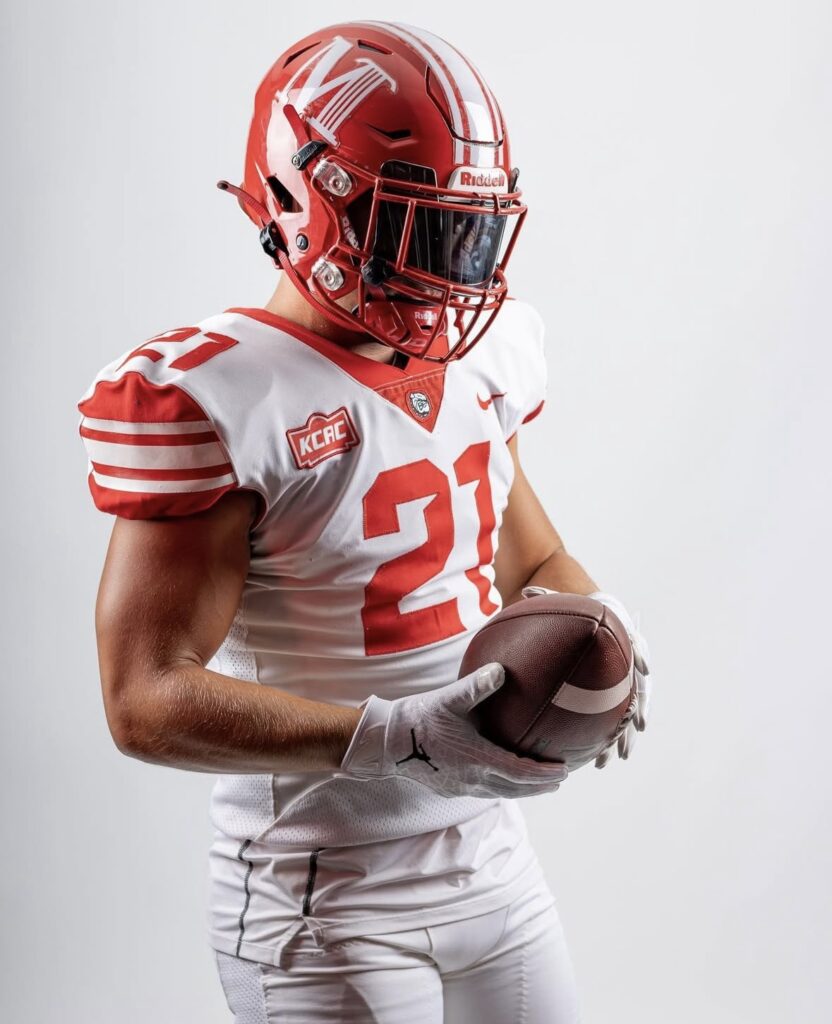
Fry has played football his entire life. During his senior year, while sidelined, the coaching staff allowed Hayden to student coach his position group. This allowed Fry to stay connected to the sport he loves. After the season, Fry received his fourth knee surgery and was now determined to focus on getting accepted into graduate school. After an intense and grueling couple of months, Fry was accepted into Langston University’s physical therapy school in Oklahoma. Fry plans to get his degree as a Doctor of Physical Therapy at Langston. He will use this degree to help others like so many others have helped him. He has found his purpose outside of football. With this new sense of identity, Hayden now has something to look forward to and fulfill another lifelong commitment. Along with this commitment, Fry has now begun to spend more time with his hobbies. His hobbies at the moment include playing video games and playing disc golf. These activities give Fry peace of mind and bring back a sense of competitiveness to his everyday life.
Lauren Machado
Lauren Machado was a four-year player for the women’s soccer team at McPherson College. Machado began playing soccer at the young age of 3 years old and started playing competitively when she reached the fourth grade. She then continued playing competitive travel ball before landing here at McPherson College. Machado’s transition from student-athlete to civilian life has led to a lot of free time, and she is still struggling to manage it. Her advice for student-athletes when their careers are coming to a close is, “Enjoy every moment, even the bad ones.” Her insight on truly embracing every moment is a true testament to all a sport can give you. The memories, the laughs, the ups, and the downs are part of a journey for a student-athlete. Embracing these moments can help in life outside of sports.
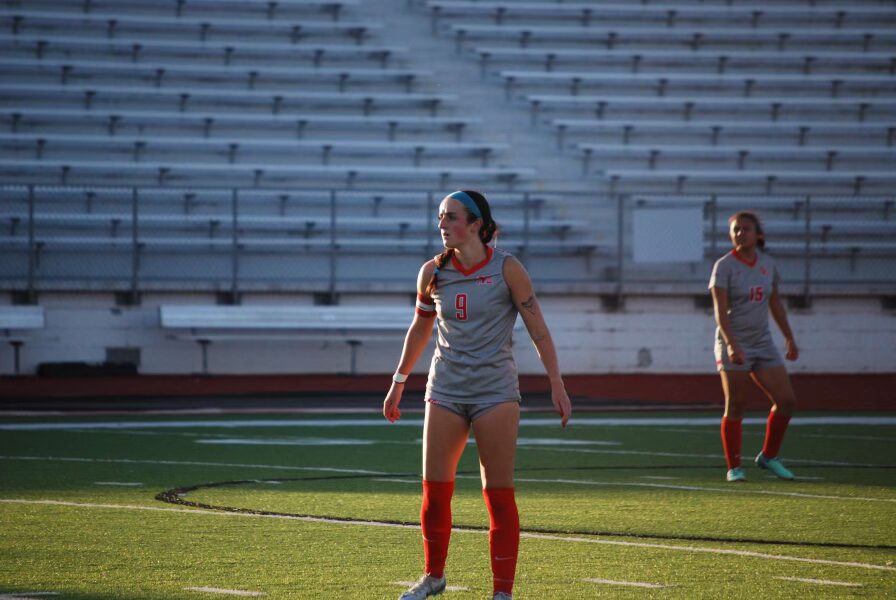
Lauren plans to pursue her nursing degree after graduating from McPherson College. Her want to help others shows who she is as a person. She plans to move back home to Colorado and has hopes to potentially join a women’s semi-pro soccer team when she returns home. Machado has recently found out that she may be able to give her soccer career one more shot if granted another year of eligibility. Her hobbies still revolve around working out and playing soccer. If granted another year she will continue to practice with the team.
What’s After the Whistle
As Fry moves forward, he is optimistic about his future. “For me, it’s really self-satisfaction that I can help other people the same way physical therapists helped me,” he says. His journey from the football field to physical therapy school is proof that it is possible to find a new purpose.
As Machado transitions into the next phase of her life, she is excited but uncertain. As she leaves the structured world of college and sports to an open-ended future, she will take the lessons given to her by soccer. Her passion for helping others keeps her grounded. With plans to pursue a nursing degree and possibly continue playing soccer at the semi-pro level, Lauren is finding new ways to stay connected to the game she loves while building a meaningful career.
When asked about receiving help from colleges after sports, both Fry and Machado said they have not received any help with the psychological effects of leaving a sport. A sport they have spent most of their lives playing. This loss of identity is a major part in many student-athletes’ lives. The nonexistent help that should be given to student-athletes is a key reason that many athletes take years to find themselves after the last whistle.
Leave a Reply